
Building a strong brand for a startup
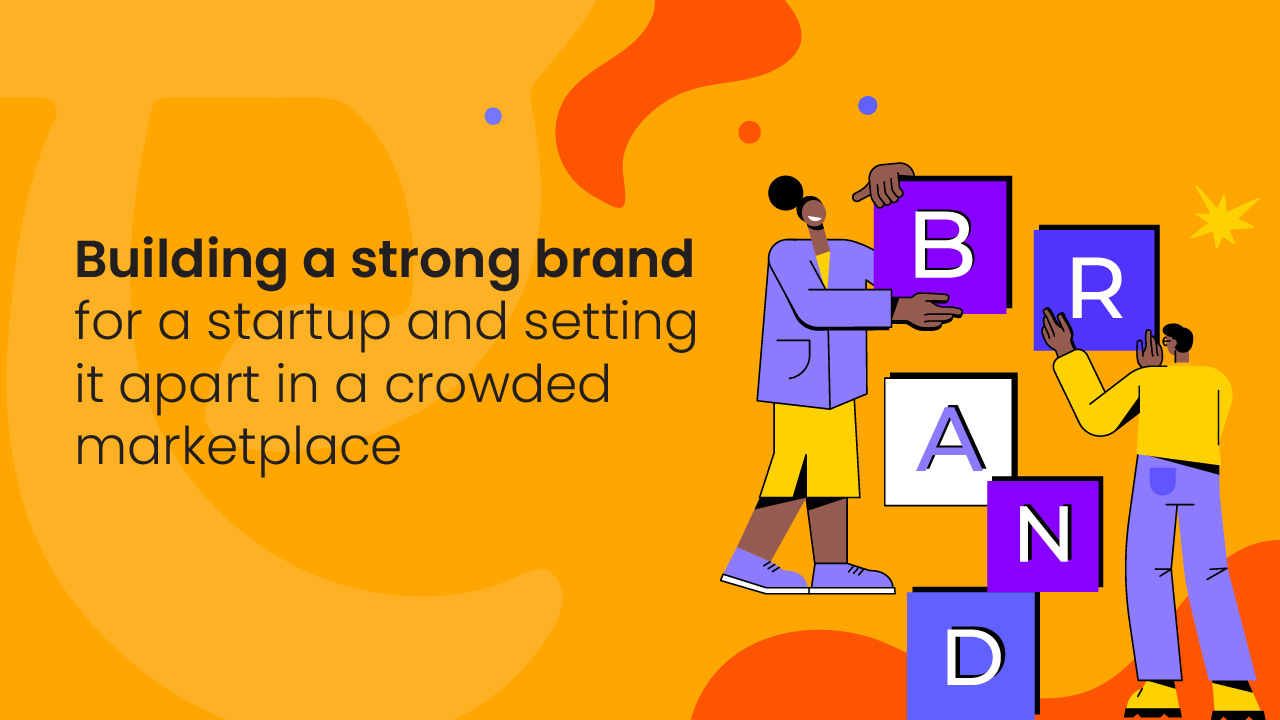
In the bustling world of startups, a strong brand isn't just desirable — it's essential for long-term success. A brand is more than a logo or a slogan; it's the sum of a company's identity, values, and reputation in the minds of customers. Building one from the ground up takes planning, consistency, and a deep understanding of your audience.
- Define your brand identity. Articulate your mission, values, and unique selling proposition. What sets you apart, and what do you want customers to associate with you?
- Know your audience. Research the demographics, preferences, and pain points of your target market, then tailor your messaging and offerings to fit.
- Develop a compelling brand story. Communicate your values and vision in a way that connects emotionally — how you started, what inspires you, the impact you aim to make.
- Create consistent branding elements. Keep your logo, palette, typography and messaging consistent across every touchpoint so people recognise and remember you.
- Build trust and credibility. Prioritise transparency, authenticity and great service. Reviews and testimonials reinforce your reputation.
- Cultivate brand advocates. Encourage happy customers to share their experience; engage actively and give people reasons to champion you.
- Adapt and evolve. Stay attuned to industry shifts and feedback, and refine your approach while keeping your core identity intact.
Conclusion
Building a strong startup brand takes planning, execution and ongoing dedication. Define your identity, understand your audience, tell a compelling story, stay consistent, earn trust, grow advocates, and adapt — and you'll create a brand that stands out and stands the test of time.
Similar topics
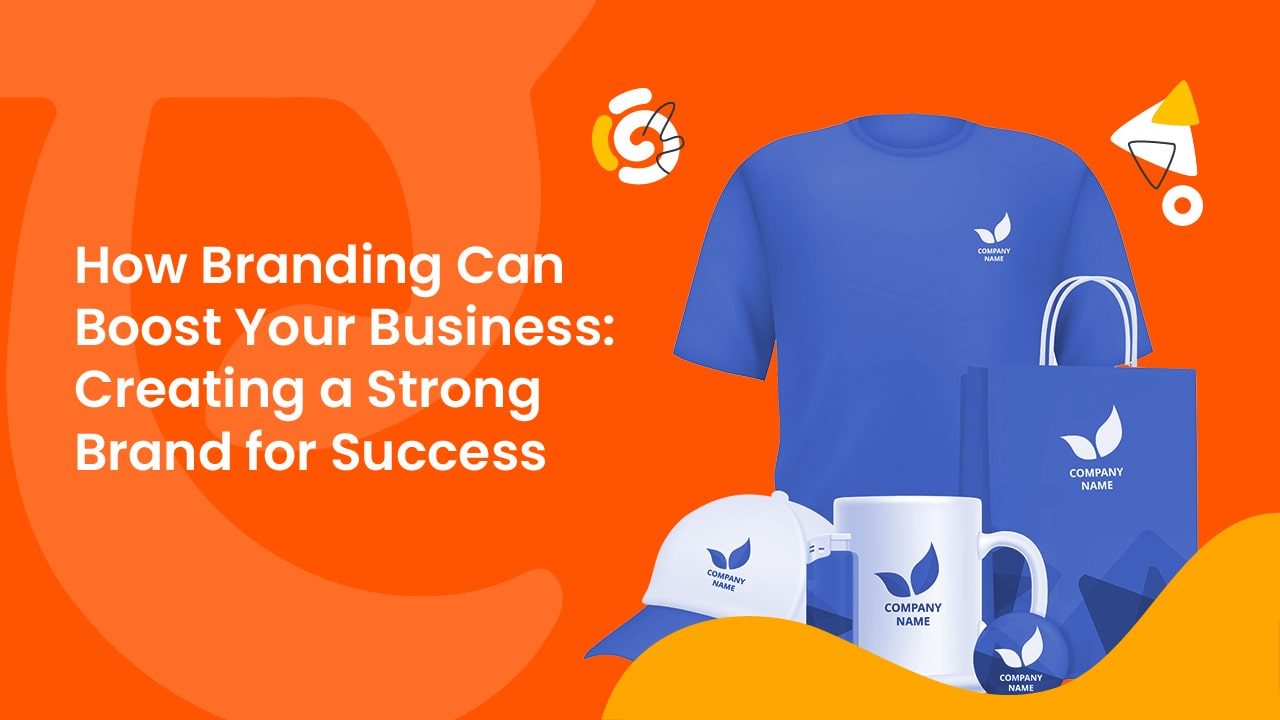
How branding actually boosts business
Branding isn't a logo. It's the compounding effect of clarity, consistency and trust — and it shows up on the P&L. Here's how.
AI video generation in 2026: Sora, Veo & what actually works
Sora, Veo 3, Runway Gen-4 and Kling 2.5 are here. Which one is actually production-ready, what still can't be trusted, and how studios are working around the limits.